More than 130 countries and regions worldwide have proposed "carbon neutrality" or "zero carbon" targets, most planning to achieve this by 2050. Both China and the United States have made commitments to carbon neutrality, with China planning to achieve it before 2060. Countries are promoting reduction actions through legislative, investment, and tax policies, primarily supporting innovations in energy efficiency technology, reducing fossil fuel usage, developing renewable energy, supporting clean low-carbon industries, developing the bio-economy, and carbon capture technologies.
Hydrogen energy is rich in resources, has a high calorific value, and is pollution-free during use, making it an important avenue for achieving carbon neutrality. Hydrogen energy has broad application prospects in transportation, industry, buildings, and power sectors. In the transportation sector, hydrogen fuel cell commercial vehicles and its use in aviation and shipping will drive clean transformation. In the industrial sector, green hydrogen can be used in the refining, chemical, and steel industries to significantly reduce carbon emissions. In the building sector, fuel cell combined heat and power systems can improve energy efficiency and reduce carbon emissions from building energy use and heating. In the power industry, green hydrogen can be produced using renewable electricity, addressing the intermittency and volatility of renewable energy, aiding the green transformation of the power system.
Hydrogen is classified as "grey hydrogen," "blue hydrogen," and "green hydrogen," with green hydrogen being nearly carbon-free, making it an ideal way to achieve carbon neutrality. Green hydrogen is produced via water electrolysis using renewable energy power to achieve zero emissions. Many countries are advancing in green hydrogen development, such as Europe's "Choose Renewable Hydrogen" initiative and China's solar fuel synthesis demonstration project.
To achieve large-scale, economically viable commercial application of green hydrogen, three major challenges need to be addressed:
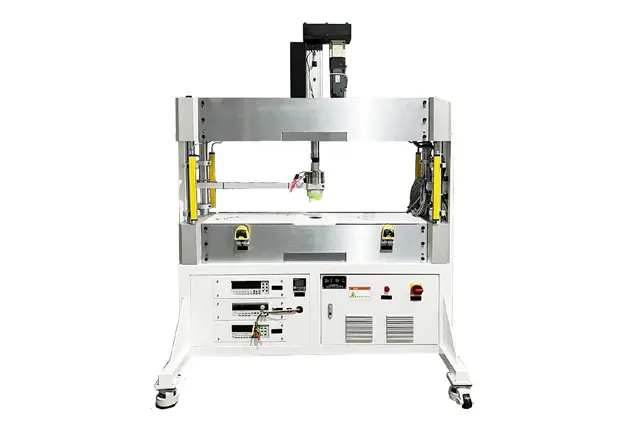
First, the high cost of water electrolysis for hydrogen production requires technological breakthroughs to reduce costs. During the development and optimization of hydrogen-related technologies, accurate evaluation methods such as pem tester can help researchers analyze fuel cell performance and improve system reliability;
Second, the storage difficulty of hydrogen necessitates the development of efficient and safe storage technologies;
Third, the high transportation cost of hydrogen demands innovative transportation methods to reduce costs. Only with breakthroughs in technology and economic viability can green hydrogen play a greater role in the path to carbon neutrality.
To play a role in carbon neutrality, hydrogen energy must focus on the development of green hydrogen. Green hydrogen must achieve large-scale, economical application to fully play its role. Technological breakthroughs and cost reductions are crucial, only then can green hydrogen excel on the path to carbon neutrality.
This is the last one.
 English