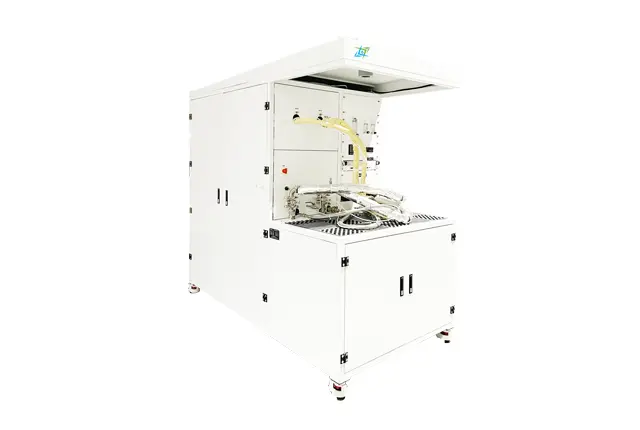
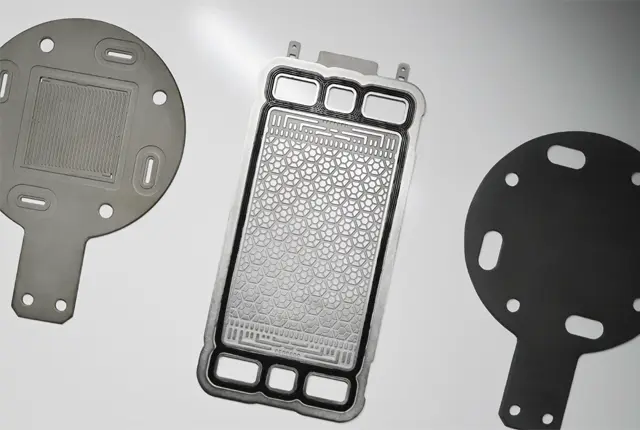
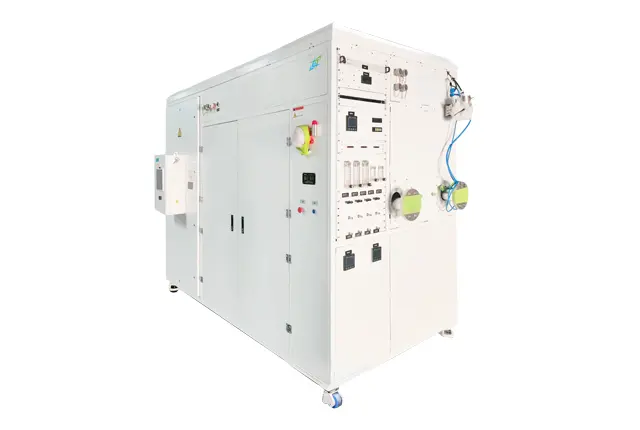
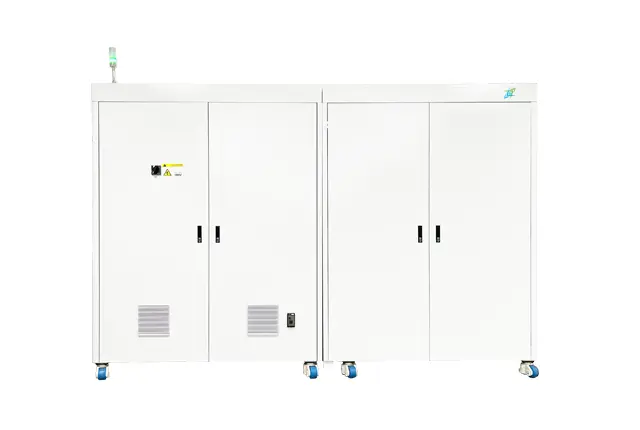
The AEM water electrolysis test bench is an experimental device used to evaluate and characterize the performance of alkaline electrolyte membrane (AEM) electrolyzers. Its working principle is based on the fundamental principle of water electrolysis, which uses electrical energy to decompose water into hydrogen and oxygen. During the AEM electrolysis process, cations (such as Na+ or K+) pass through the cation exchange membrane from the anode to the cathode, thus facilitating the entire water decomposition process.
The maintenance of the AEM water electrolysis test bench is crucial for ensuring its normal operation and extending its service life. Here are some key maintenance steps:
External Cleaning: Use a clean, damp cloth or special cleaner to wipe the casing and surface of the test bench, removing dust and dirt. Make sure to avoid using overly wet cloths to prevent moisture from seeping into the equipment.
Internal Cleaning: For internal components of the test bench such as pipes, valves, and filters, they need to be regularly disassembled and cleaned. Filters, in particular, should be regularly replaced or cleaned as they accumulate impurities and dirt over time, affecting filtration efficacy and water flow stability.
Power Cord Inspection: Regularly check if the power cord of the test bench is intact and whether the plug is secure to prevent equipment failures due to power issues.
Electrical Component Inspection: Regularly inspect the electrical components inside the test bench, such as the circuit board, relays, and switches, to ensure they are functioning properly and free of aging or damage.
Sensor Calibration: Various sensors on the test bench (such as temperature sensors, pressure sensors, flow sensors, etc.) need to be calibrated regularly to ensure the accuracy of the measured data. The calibration process should be carried out according to the sensor manual or relevant standards. For advanced hydrogen production research, an electrolyser test station with accurate monitoring capabilities can help researchers obtain reliable performance data and improve testing efficiency.
Instrument Verification: Regularly verify the display and recording instruments on the test bench to ensure they can accurately display and record test data.
Pipeline Inspection: Regularly check the water pipelines of the test bench for leaks or blockages, and promptly replace aging pipes and seals. Pump Maintenance: Regularly maintain the water pump on the test bench, including changing the lubricant and cleaning the impeller to ensure stable operation and consistent flow.
Software Updates: If the test bench is equipped with control software, regularly check and update the software version to obtain the latest features and fix known issues. Data Backup: Periodically back up test data to prevent data loss or damage. You can use external storage devices or cloud storage services for backup.
Follow Operating Procedures: Strictly adhere to operating procedures and safety regulations when using the test bench to avoid equipment damage or personal injury due to improper operation. Emergency Stop Device: Ensure that the emergency stop device on the test bench is operational so that the power can be quickly cut off and the equipment stopped in an emergency.
Temperature and Humidity Control: Maintain the environmental temperature and humidity within a suitable range to prevent excessive or insufficient temperature and humidity from affecting the equipment's performance and lifespan. Dust Prevention Measures: Implement effective dust prevention measures to reduce contamination and damage to the internal components of the test bench.
 English